
What to Do During and After a Hurricane | Blog | Vargas & Vargas Insurance

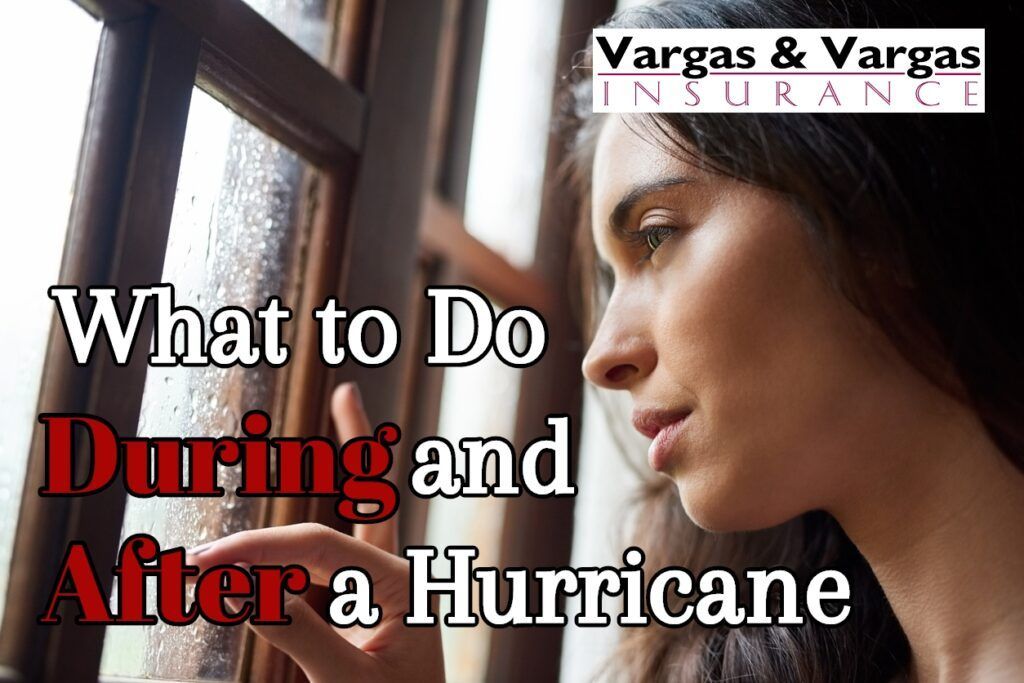
Hurricanes can pose a serious hazard for people and properties in the Boston, Massachusetts, area. Floods , heavy winds, and other severe weather factors can cause damage quickly. Read this short guide about how to stay safe and protect your property both during and after the next hurricane.

What to Do During a Hurricane

During a hurricane, it is important to avoid going outdoors or driving because the winds and flooding can be dangerous. If you must be out in the storm, then it is important to:

  • NOT drive around road barriers
  • NOT walk through flowing water
  • NOT drive through flooded roads

Also, continue monitoring the media for any emergency information. Look for credible emergency information shared by the Massachusetts Emergency Management Agency (MEMA) and other government agencies. Also, you need to follow instructions given by the public safety officials.  

If directed to evacuate, you need to do so immediately, and take only your essential items and any pets, if possible. Given that conditions change fast, you need to be ready for evacuation to different places as directed and if necessary.

What to Do After a Hurricane Has Passed

After a hurricane has passed and you had evacuated, return home if authorities say it is safe to do so. Continue to listen to news reports to know if the water supply is safe. Before local authorities declare your water supply safe, you need to boil the water before drinking or using it for food preparation.

As soon as it’s safely possible, check your home for any signs of damage. While checking your home, you need to:

  • Repair leaching systems and damaged septic tanks to minimize potential health risks.
  • Hire a qualified electrician to assess any damages to electrical systems.
  • Have a professional check your wells for contamination.
  • If you suspect there is a gas leak, go outdoors immediately and contact a licensed professional to check it out.
  • In case your home or property is damaged, document the damage by taking videos and photos and contact your insurance company.

Also, report any power outages to your utility company. If you’re waiting for the power to return, be careful to only use grills and generators outside because their fumes contain dangerous gases.

Try to avoid entering floodwaters in and around your property. Seek the services of a professional cleaning and repair company to clean and disinfect your home. Check on neighbors and friends, especially the elderly and those who live alone.

At Vargas & Vargas Insurance, we’re here to help you protect your home, property, and family. Call us today to learn more about hurricane-related coverage, flood insurance , and safety tips to help you get through the storm.

By carlos vargas November 21, 2025
If someone hits your car and drives off, it’s called a hit and run . Imagine leaving the grocery store to find your bumper smashed with no note or witnesses. It’s not just the damage that’s frustrating; it’s the uncertainty about what to do next. Why Are Hit & Runs Confusing? Many drivers aren't sure what to do because we aren’t often taught how insurance works for these situations. But the more you know, the more protected you’ll be. At Vargas & Vargas Insurance , we guide drivers through hit and run claims, breaking down the process in simple terms. Key Questions Answered: What is a hit & run under Massachusetts law? What auto insurance helps in this situation? Will your premium go up? What immediate steps should you take? What Is a "Hit & Run"? A "hit and run" involves another driver damaging your car or injuring you and leaving without giving their info. It could happen in a parking lot, on the street, or even at home. Massachusetts law requires you to report it and file a claim. Coverage That Helps in a Hit & Run Your auto policy can help—if you have the right coverage. Uninsured Motorist Coverage (UM/UIM): Essential for covering injuries to you or passengers. Collision Coverage: Covers car damage but requires you to pay the deductible. Note: Massachusetts is a no-fault state , needing collision and/or UM coverage for protection. Will Your Insurance Rates Rise? It depends. If considered a not-at-fault accident, rates might not increase. However, lack of a police report or a history of claims might affect rates. Reporting it properly is crucial. What Actions Should You Take? Call the police immediately to file a report. Take photos of all damage and surroundings. Seek witnesses or security camera footage. Contact your insurance agent for advice on filing a claim. Keep all records , like police reports and photos. The Bottom Line You can't control reckless drivers, but you can control your preparedness. Here's what you need to know: Have collision and uninsured motorist coverage for protection. A police report is essential. Your agent is your best ally for making claim decisions.  If you’ve returned to your car to find damage without a note, you know the stress. Now you know the steps to take and the protections you need. At Vargas & Vargas Insurance , we’re here to make this simple and stress-free. Unsure if your policy protects you from a hit & run? Call us at 617-298-0655 . Let’s ensure you’re covered before it happens.
By carlos vargas November 21, 2025
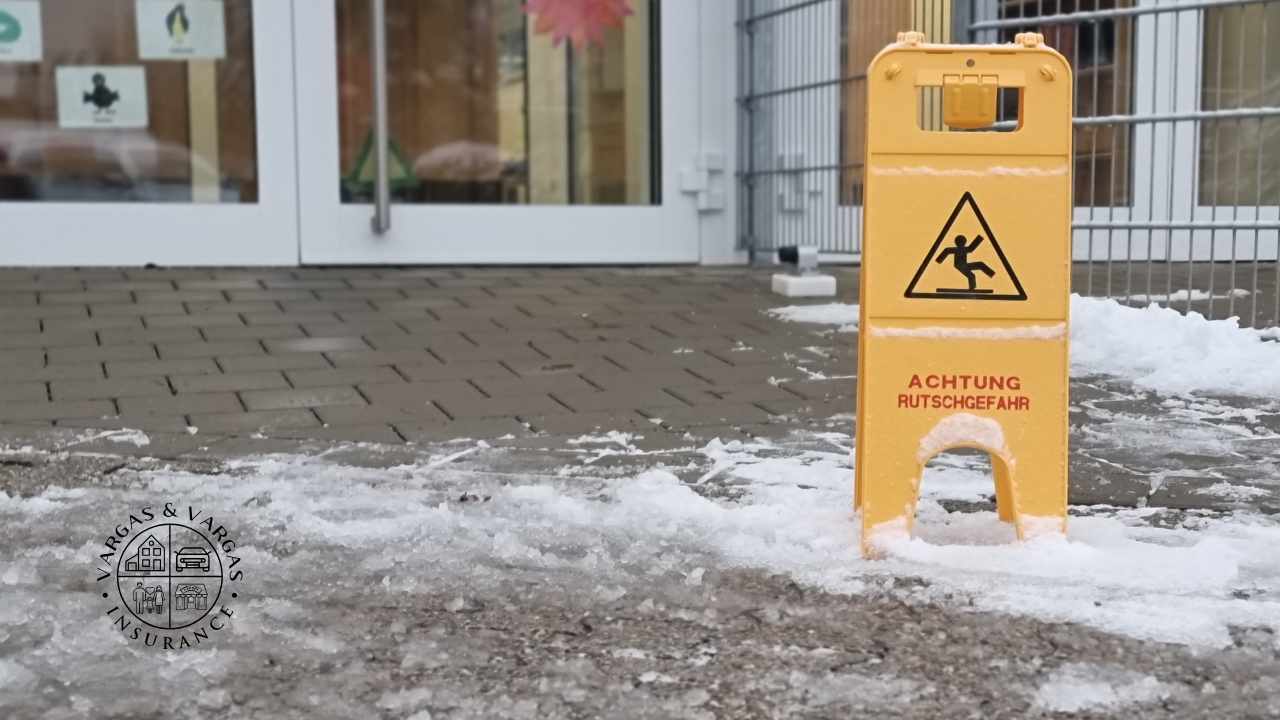
In this post, we'll guide you through what happens when someone is injured on your property, how personal liability insurance can provide protection, and the steps you should take immediately if an accident occurs. By the end, you'll understand common scenarios that trigger personal liability coverage, what's included (and not included) in a standard policy, how claims are managed, and practical tips to protect yourself both before and after an accident. Understanding Personal Liability Insurance Personal liability insurance is designed to protect you financially if you are found legally responsible for someone’s injury or damage to their property. Typically, this coverage is part of your homeowners or renters insurance policy. If an incident occurs on your property and you’re held responsible, your personal liability insurance can help cover: Medical expenses for the injured person. Legal defense costs if you’re sued. Settlement or judgment amounts awarded to the injured party. Without this coverage, you could face out-of-pocket expenses which could amount to thousands or even hundreds of thousands of dollars, depending on the situation. Common Injury Scenarios on Your Property Personal liability coverage may be applicable in situations like: A guest slipping on an icy walkway. A child falling off a swing in your backyard. A delivery driver tripping over a loose step. A neighbor’s fence being damaged by a tree falling from your yard.  Accidents can happen even if precautions are taken, and unfortunately, being "careful" doesn't automatically shield you from legal or medical bills. What’s Not Covered It's crucial to understand that personal liability insurance doesn't cover everything. Most policies exclude: Injuries to you or household members. Intentional acts causing harm. Certain high-risk situations, such as injuries from business activities conducted at home (unless you have separate business liability coverage). Understanding these exclusions can prevent surprises and the frustrations often accompanying a denied claim. What Happens After an Injury on Your Property If someone is injured on your property: Get medical help immediately — the priority should be the person’s safety and well-being. Document the incident — take photos, collect witness statements, and record all details. Notify your insurance company — report the incident promptly, even if unsure whether the injured party will make a claim. Avoid admitting fault — stick to the facts when speaking with the injured person and your insurer. Once a claim is filed, your insurance company will: Investigate the incident. Determine whether your policy covers the claim. Handle negotiations, settlements, or defense in court if necessary. How to Protect Yourself Before an Accident Happens While insurance covers the unexpected, prevention is better than reaction. Reduce your risk by: Keeping walkways clear of ice, snow, and clutter. Repairing loose steps, handrails, and flooring. Properly maintaining landscaping and trees. Providing adequate lighting for entrances and pathways. Regular maintenance not only keeps your property safe but shows responsible behavior if a claim is filed. The Role of Your Insurance Broker An experienced insurance broker can help you: Review your policy to ensure adequate liability coverage limits. Clarify exclusions so you understand what's not covered. Guide you through the claims process if an injury occurs. Suggest umbrella insurance for additional liability protection beyond your standard policy limits. Having a broker means you aren't navigating these situations alone — you'll have someone familiar with your policy advocating for you. The Bottom Line Accidents can occur anywhere to anyone at any time. If someone gets hurt on your property, personal liability insurance can safeguard your finances, cover legal costs, and help manage the situation professionally. The key is understanding how your coverage works before you need it. This involves knowing your policy limits, understanding exclusions, and ensuring you have sufficient protection in place. Additional Resources: Insurance Information Institute – Understanding Liability Coverage NAIC – Consumer’s Guide to Home Insurance